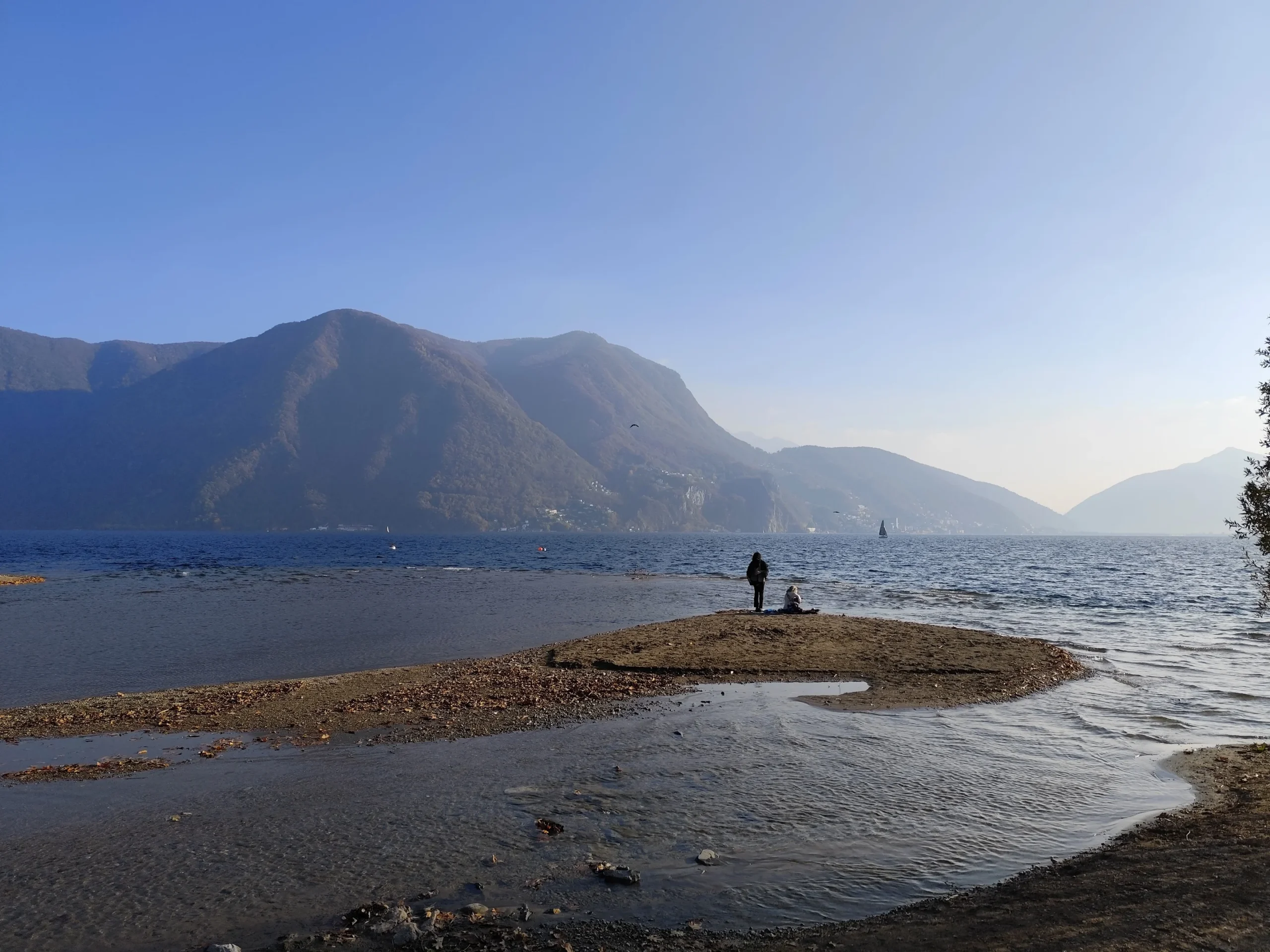
Research stays often appear on a CV as just another line. A city, a set of dates, an institution, and perhaps a few associated results. However, anyone who has experienced one knows that behind that single line there is a much broader experience. Temporarily changing one’s workplace means changing routines, perspectives, and ways of thinking, and in many cases, also the way research itself is understood. My stay at the Università della Svizzera italiana (in Lugano) was exactly that, a period of intense work but above all one of personal and professional discovery. This post aims to capture that part of the experience which, although not always mentioned, ultimately becomes just as important.
Preparing for a research stay involves months of planning. Contacts, objectives, logistics, expectations and, of course, a fair amount of bureaucracy. Even so, no preparation fully anticipates the feeling of arriving in a new place where everything feels both familiar and unfamiliar at the same time. In my case, Lugano offered a very particular first impression. Although it is located in Switzerland, its position in the Italian-speaking region of the country gives it a rhythm of life closer to the Mediterranean, something that quickly becomes noticeable in the atmosphere, the language, and the food, where pasta and pizza naturally become part of everyday life almost without realising it.
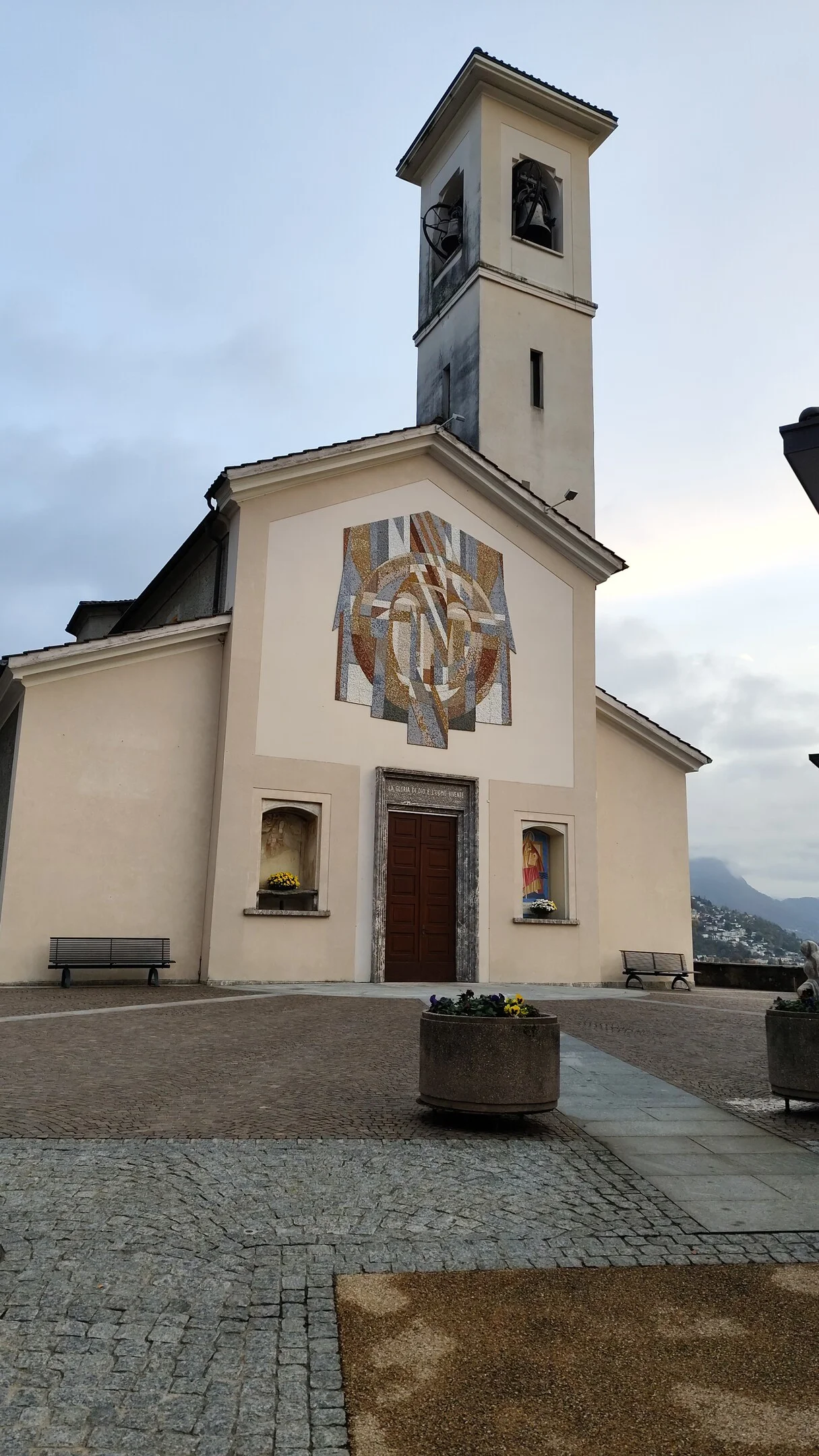
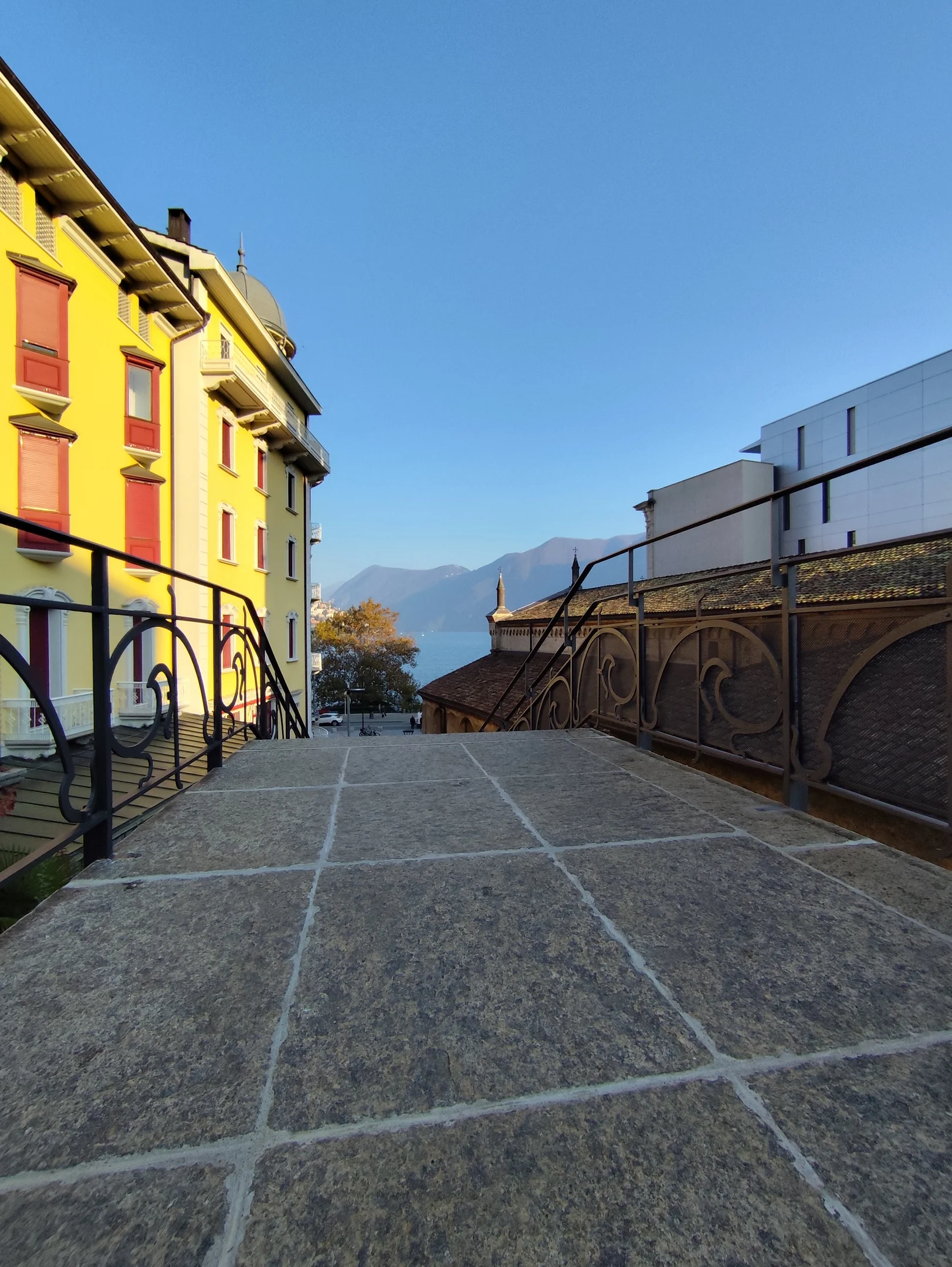
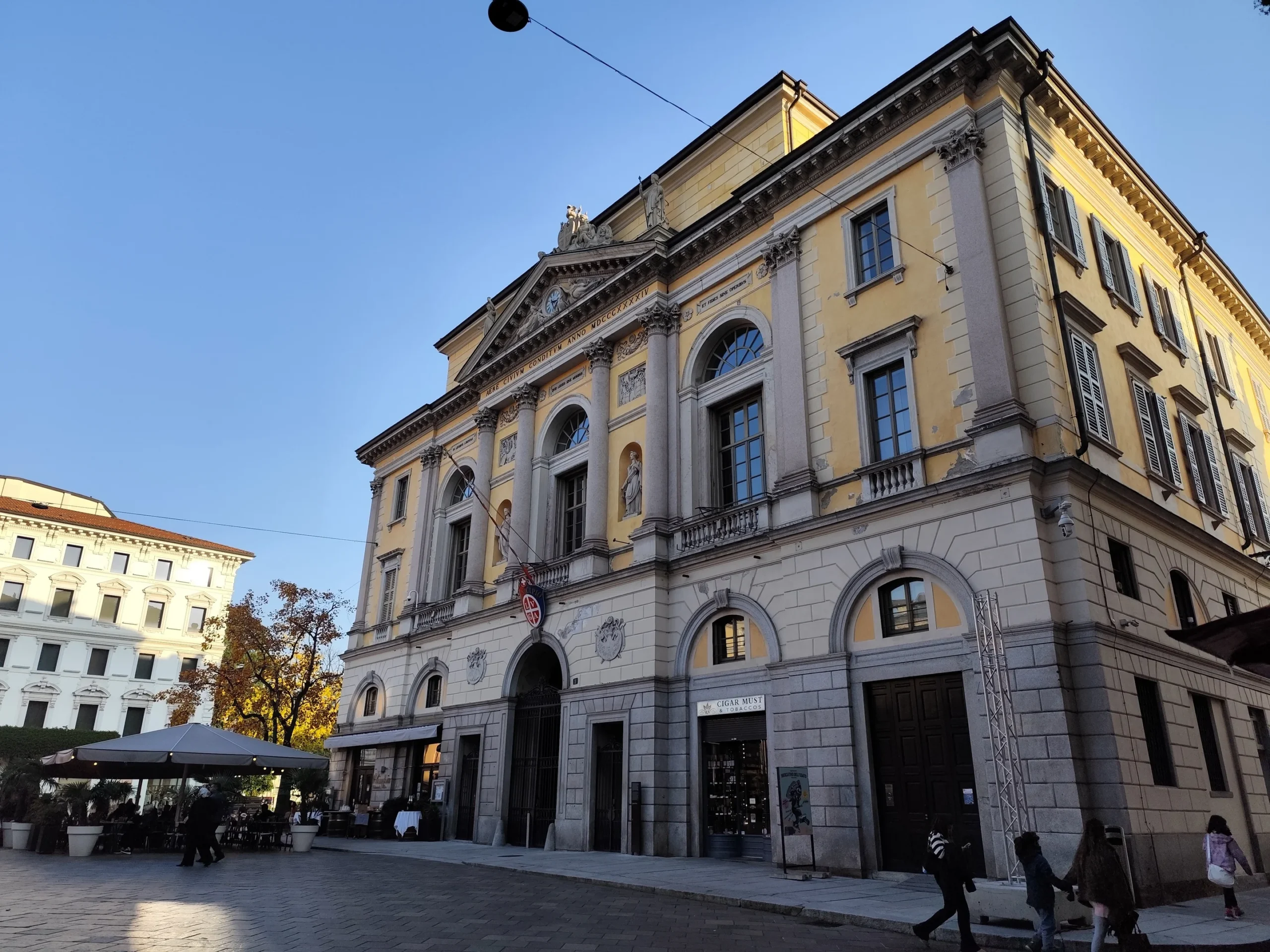
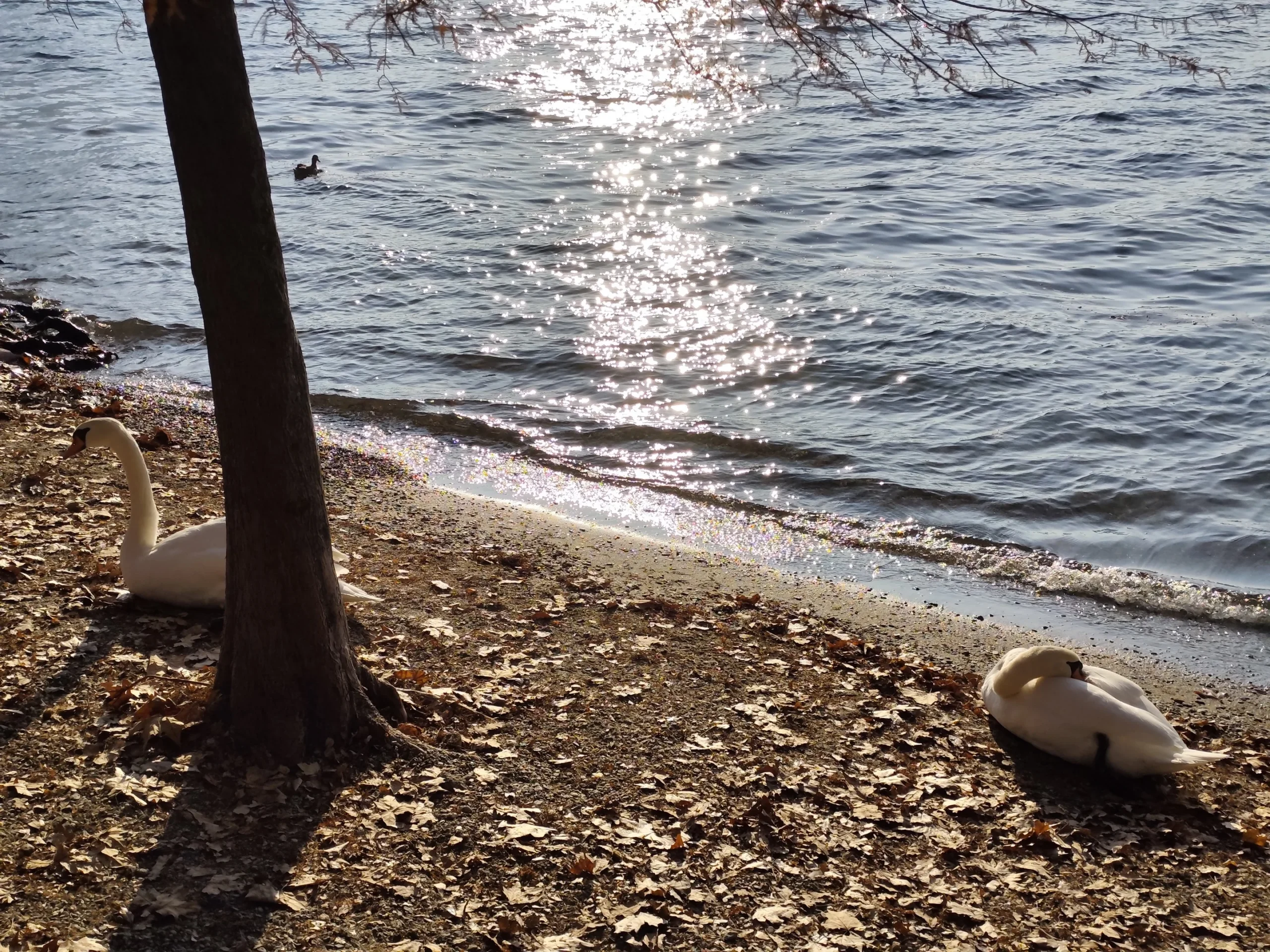
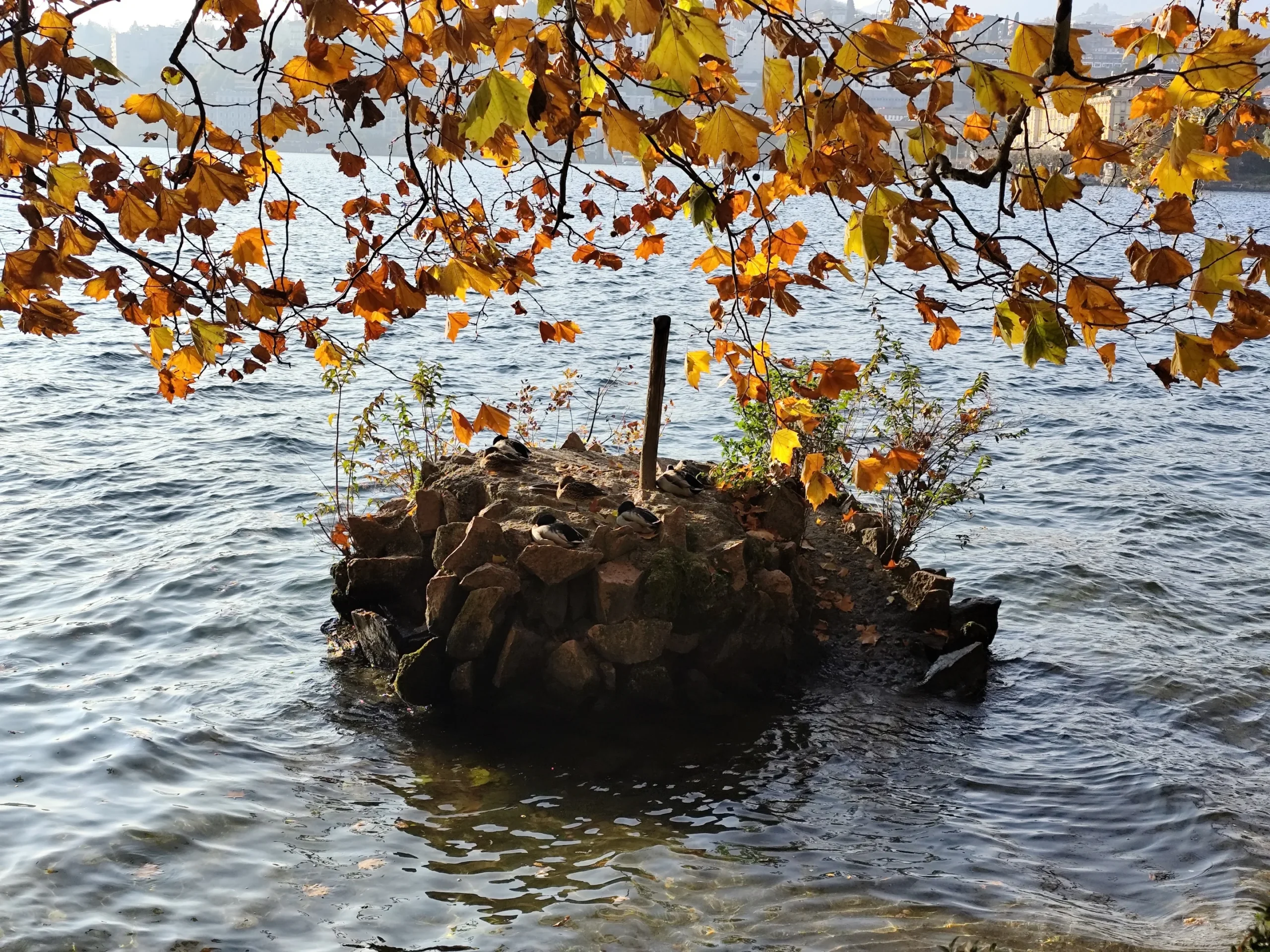
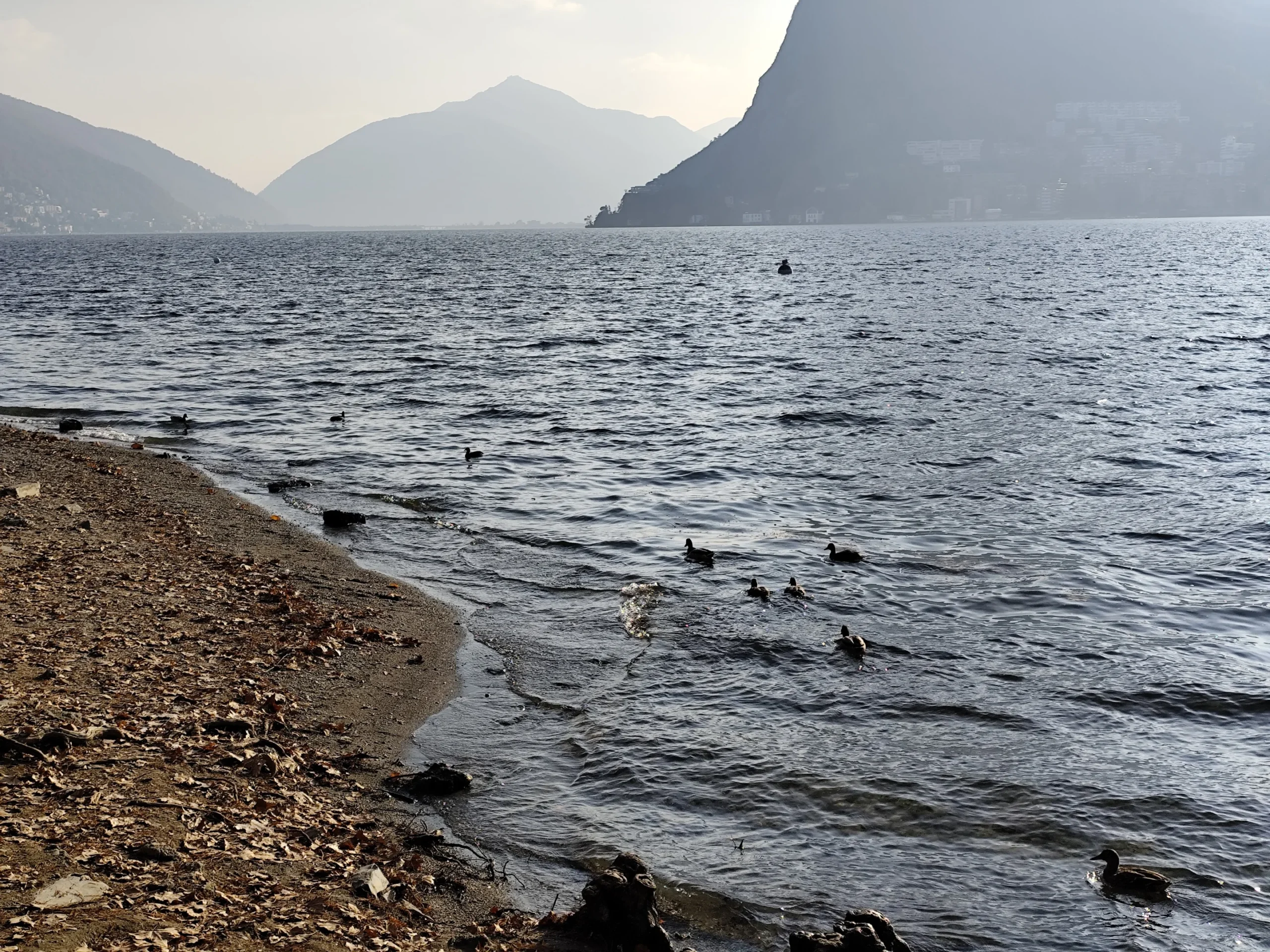
If there is one defining feature of Lugano, it is the constant presence of the landscape. The lake and the surrounding mountains are part of daily life. The city invites you to walk, to observe how the light changes throughout the day, and to find moments of pause between intense working days. As the weeks passed, walks along the lake became an almost necessary routine. Far from being unproductive time, these moments often functioned as an extension of the research process itself. Many ideas became clearer outside the laboratory, when the mind stopped focusing exclusively on a specific problem. You learn to slow down, to think more calmly, and to understand that not every advance happens in front of a computer.
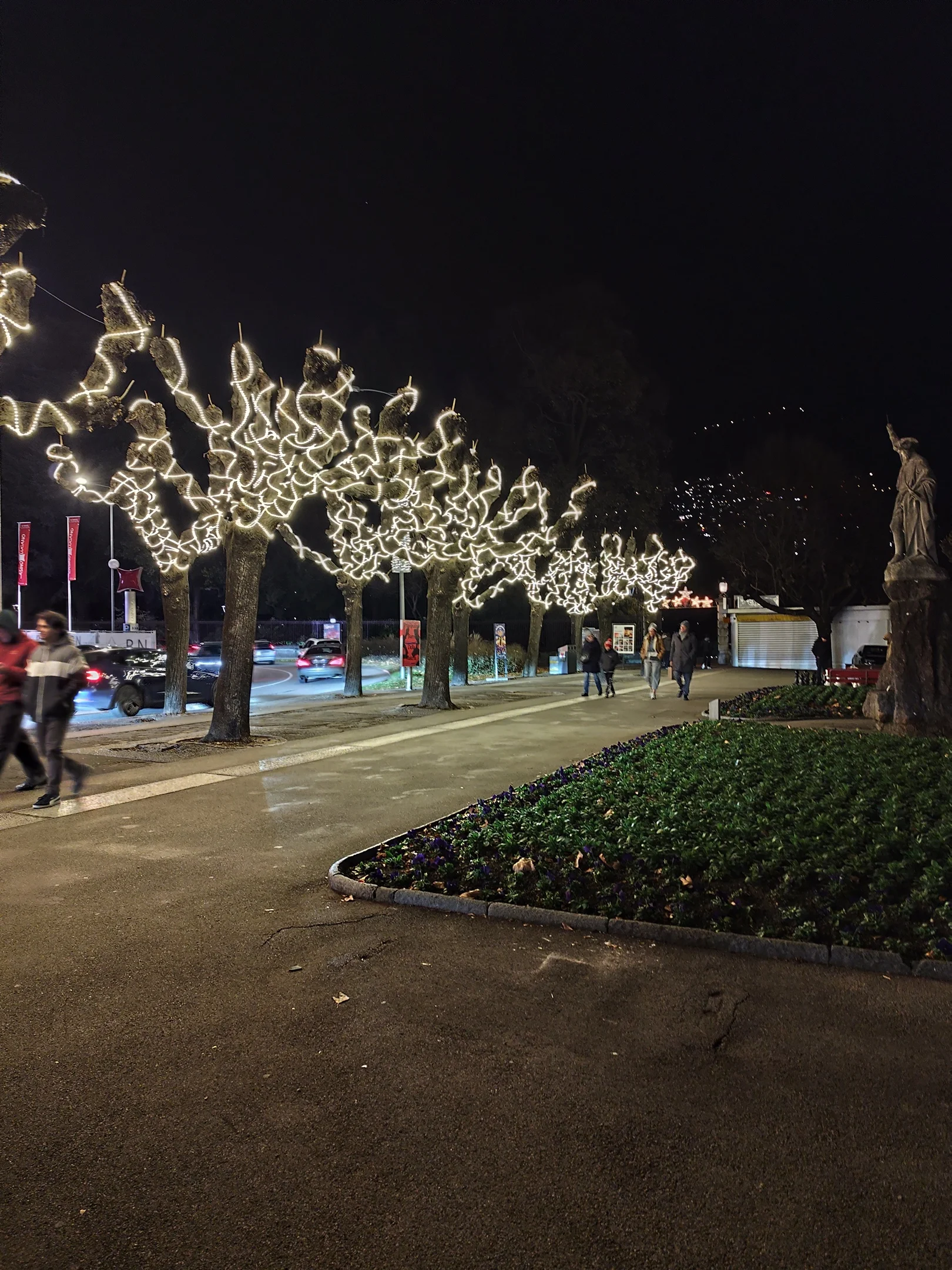
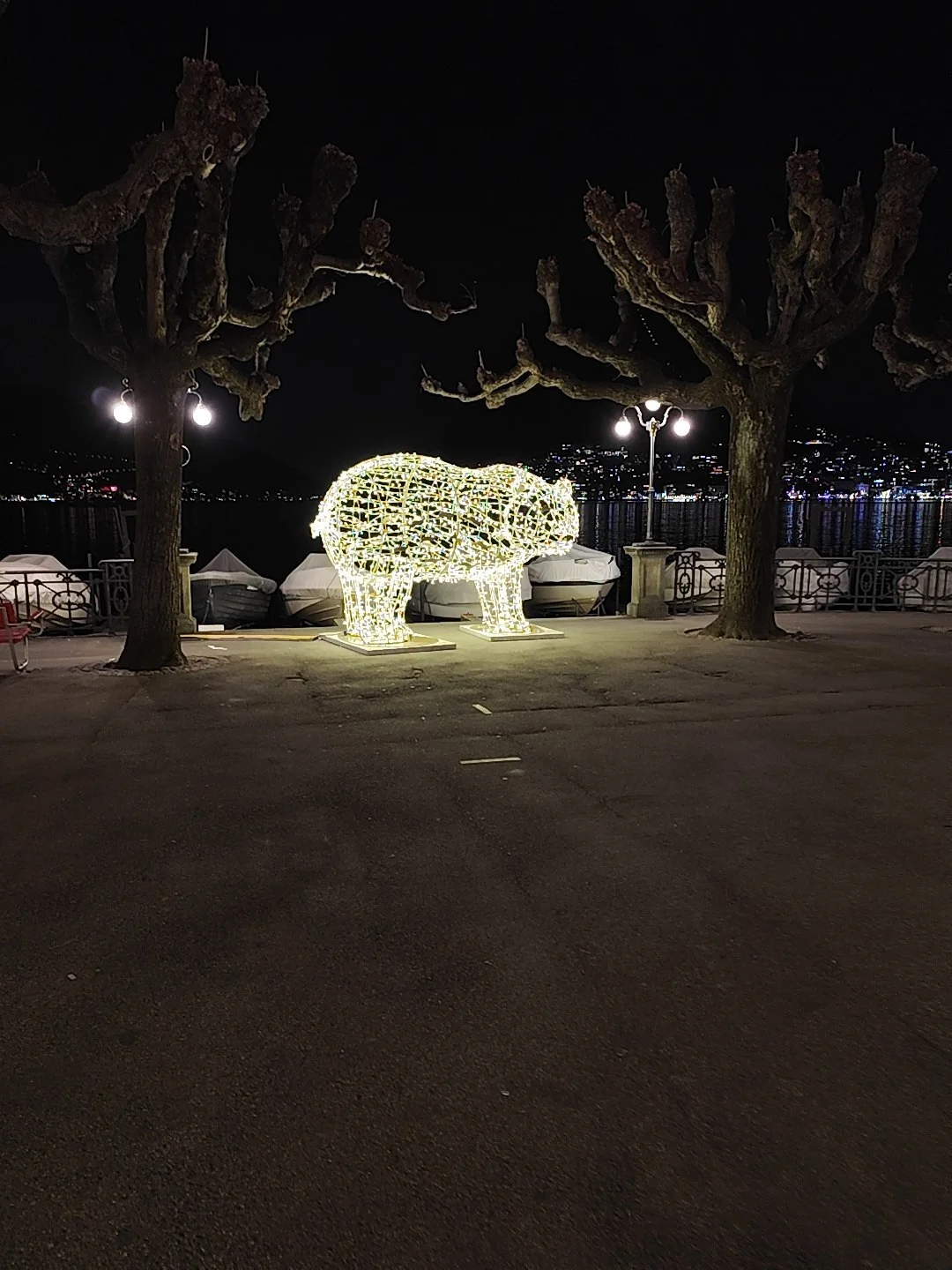
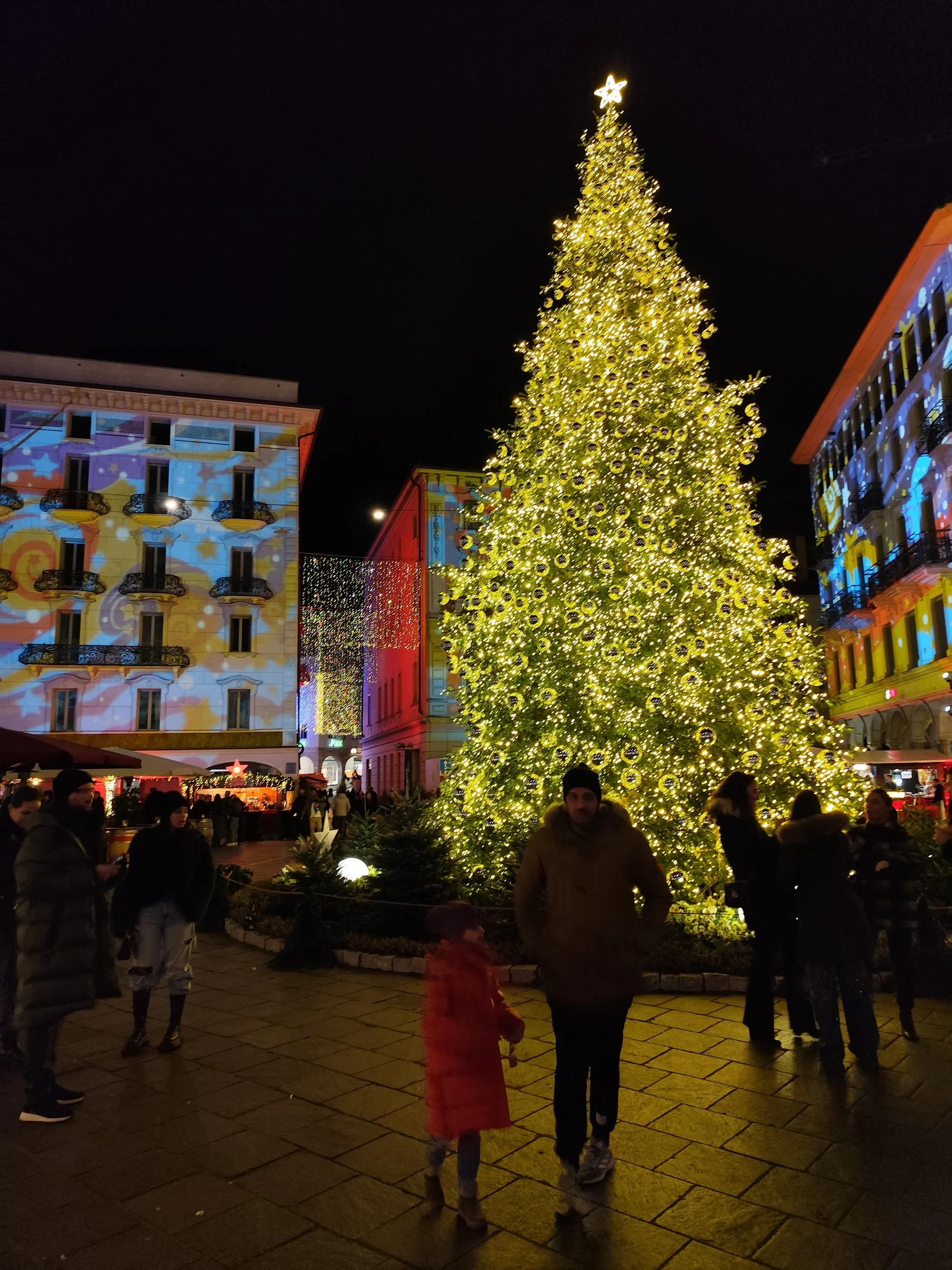
The first weeks were marked by adaptation. Getting to know the laboratory, understanding the group dynamics, and adjusting to new schedules, which included discovering that lunch happens much earlier than I was used to. Every institution has its own rhythms and priorities, and learning to integrate into them is part of the process. This initial phase, although demanding, is particularly enriching because it forces you to question established habits and reconsider ways of working that at home may seem unchangeable. One of the most valuable aspects of the stay was the opportunity to work in an international environment. During this time, I had the chance to share space with outstanding researchers and, above all, with wonderful people. Working outside one’s usual environment allows research to be seen from a more critical distance. What once appeared to be a limitation can become an opportunity, and questions that seemed closed begin to open again. Science is, in essence, a collective process. Research stays constantly remind us that knowledge is built through collaboration and continuous dialogue between people with different experiences. Beyond scientific results, I take with me the people who welcomed me from the very beginning and to whom I am deeply grateful.
Not everything during a research stay is easy. Distance, cultural adaptation, and managing time in a new environment can be demanding. Yet it is precisely in those moments that some of the most valuable lessons emerge. Stepping outside one’s usual environment encourages autonomy, the ability to solve everyday problems, and learning to live with uncertainty. Over time, those initial difficulties turn into confidence and a greater capacity for adaptation, qualities that are essential both in research and in any professional field. As is often the case, the stay ended sooner than expected. Just when the routine begins to feel natural, it is time to return. The end, however, does not truly represent a closure, but rather a transition. The collaborations continue, the ideas developed keep evolving, and the experience gained becomes part of the way one works in the future.